



The Connection Between Cooling, Water, and Waste
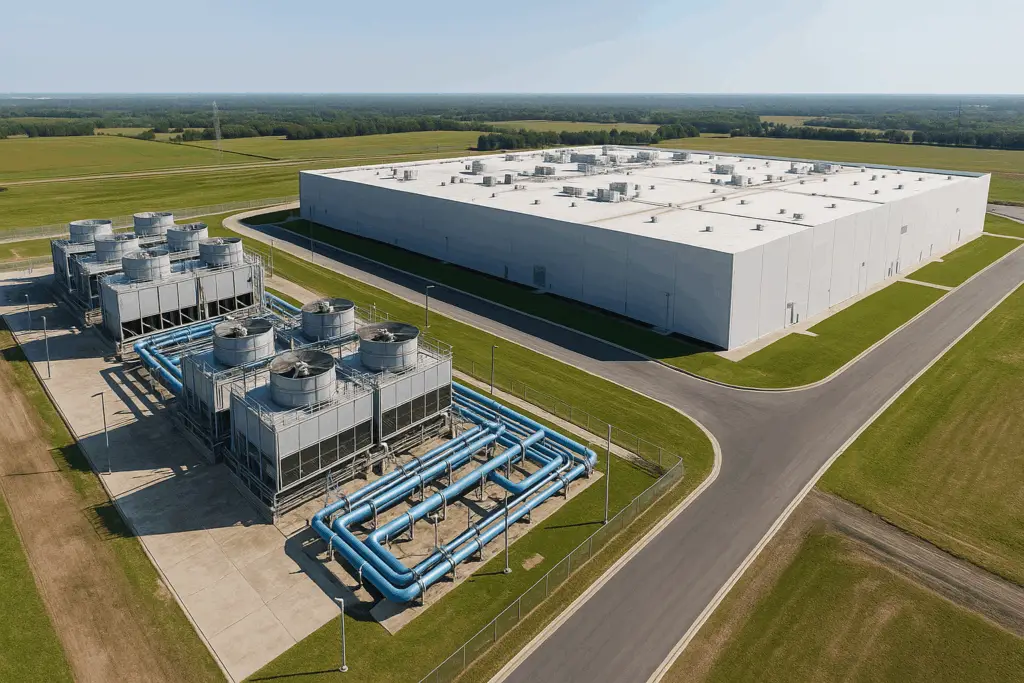
Modern data centers depend heavily on water for cooling. Whether they use cooling towers, liquid immersion, or closed-loop systems, water quality must be tightly managed to prevent scale, corrosion, and microbial growth.
Treating and re-circulating this water creates sludge — a dense mixture of solids, treatment chemicals, and contaminants — that must be separated and dewatered before reuse or disposal.
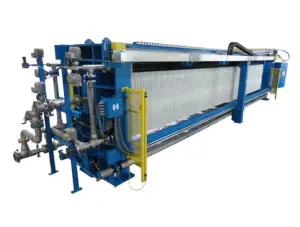
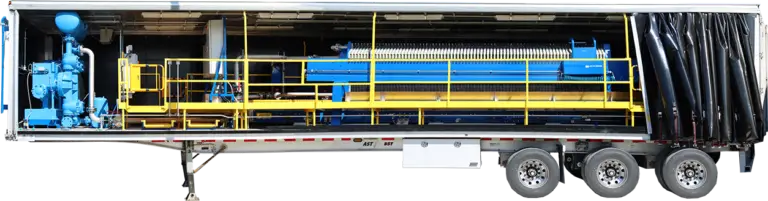
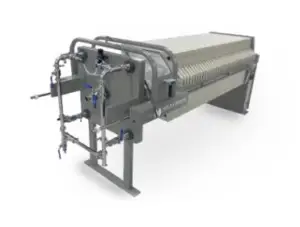
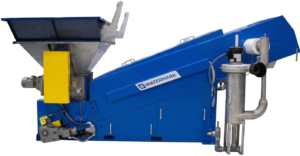
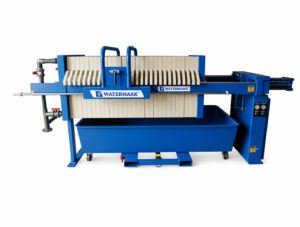
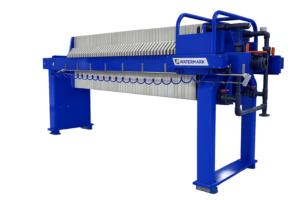
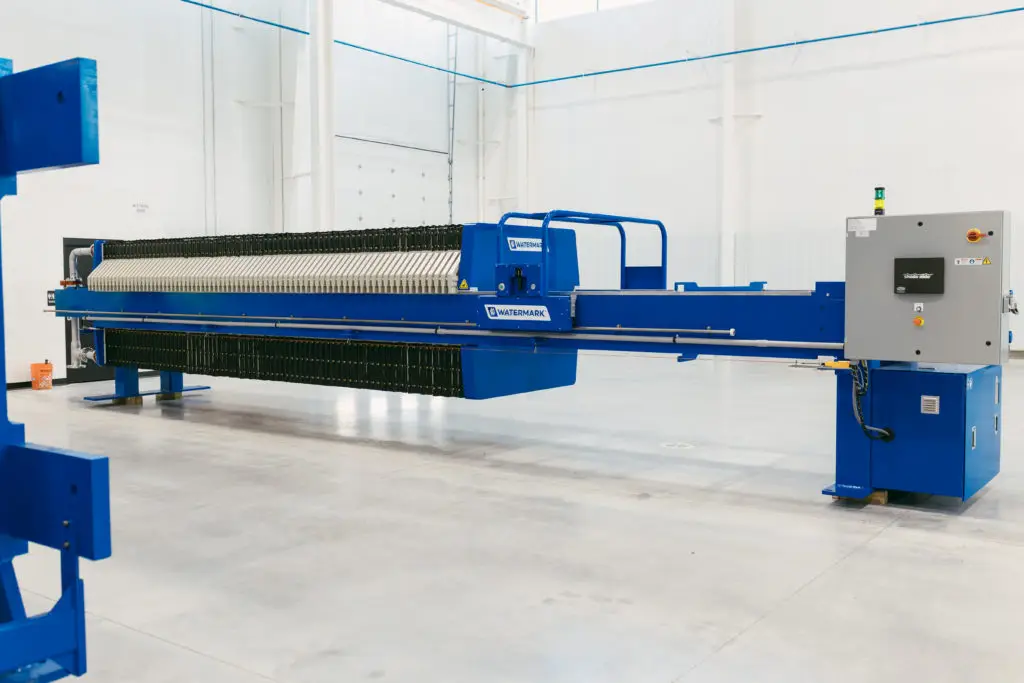
That’s where a filter press becomes a critical component of the data center’s wastewater treatment and recycling system.
How a Filter Press Works in Data Center Water Treatment
1. Sludge Generation
- Water treatment systems separate solids and chemical precipitates from the cooling water stream.
- These solids accumulate as sludge during processes such as clarification, filtration, or blowdown recovery.
2. Dewatering
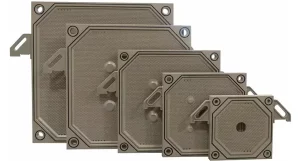
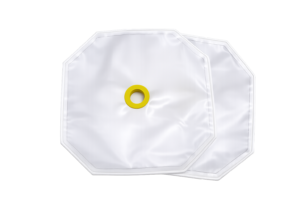
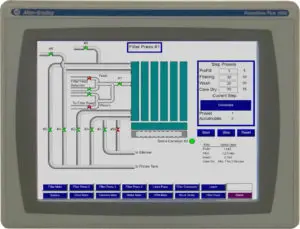
- The sludge is pumped into a filter press, where hydraulic pressure forces liquid through filter cloths.
- Solids are trapped and compacted into a dry filter cake, while the clean liquid (filtrate) passes through for recovery.
3. Filtrate Recovery & Recycling
- The filtrate can be reused as make-up water in cooling towers or liquid cooling systems, reducing both water consumption and chemical costs.
4. Cake Disposal or Reuse
- The dewatered solids are dense, easy to handle, and low in moisture, making disposal more economical.
- In some cases, the solid material can even be repurposed, depending on its composition.
Benefits for Data Centers
- Reduced Water Use: Recovering filtrate minimizes fresh-water demand — vital as hyperscale facilities move toward Zero Liquid Discharge (ZLD) goals.
- Lower Disposal Costs: Drier filter cakes cut transport and landfill fees, saving money and reducing environmental impact.
- Improved Cooling Efficiency: Cleaner water maintains optimal heat transfer in chillers and heat exchangers, reducing fouling and downtime.
- Environmental & Regulatory Compliance: Ensures treated effluent meets discharge standards and supports ESG sustainability targets.
- Reduced Chemical Usage: Effective solid-liquid separation reduces reliance on dispersants, coagulants, and other treatment chemicals.
Types of “Greywater” Produced in Data Centers
1. Cooling Tower Blowdown
- What it is:
As cooling tower water evaporates, minerals (like calcium, magnesium, and silica) become concentrated. Once these reach a certain level, some water is “blown down” (discharged) to prevent scaling and corrosion. - Why it matters:
This is the largest source of greywater in data centers. - Typical characteristics:
- High in total dissolved solids (TDS)
- Contains biocides, corrosion inhibitors, and anti-scaling chemicals
- Warm temperature
2. Chiller Condensate
- What it is:
Water vapor from the air condenses on chiller coils or air handling units, similar to how water forms on a cold drink. - Why it matters:
This water is relatively clean and can be reused internally. - Typical characteristics:
- Low mineral content (essentially distilled water)
- Slight organic material or airborne dust contamination
3. Equipment or Floor Wash Water
- What it is:
Water used during periodic cleaning of cooling towers, filters, or mechanical areas. - Typical characteristics:
- May contain sediments, cleaning agents, or small amounts of oil/grease
- Usually treated as process wastewater
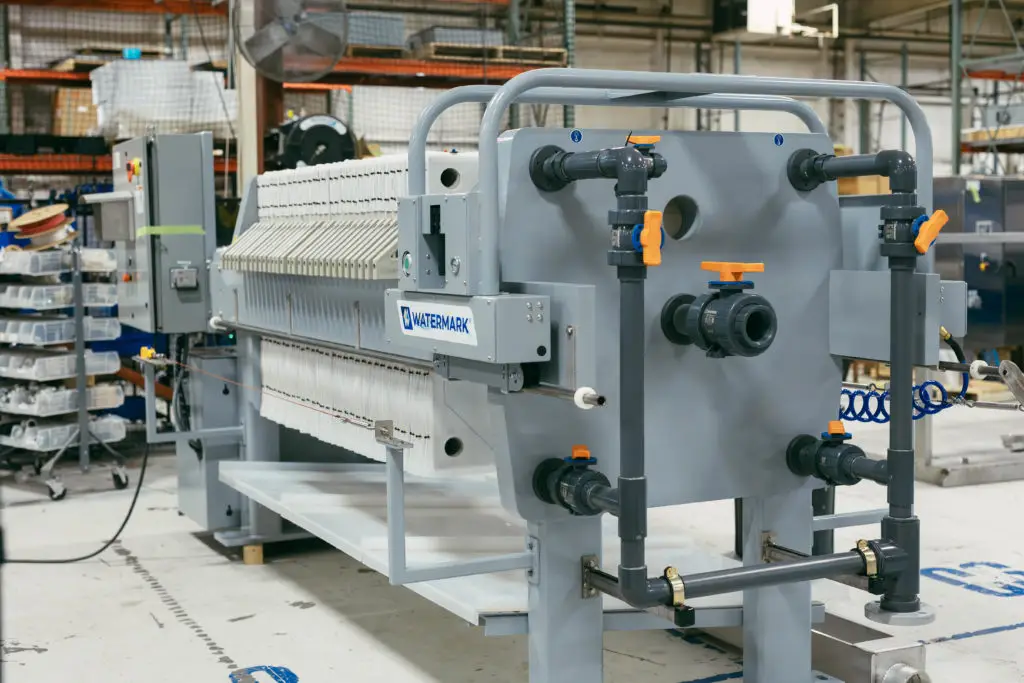
Filter presses are vital to the water-treatment systems that support cooling operations, blowdown management, and ZLD compliance. By dewatering sludge, recovering reusable filtrate, and reducing disposal costs, filter presses help data centers operate more efficiently and sustainably. For data centers looking to improve water management and reduce waste, filter presses offer a proven, scalable solution.
Contact our team to learn more.